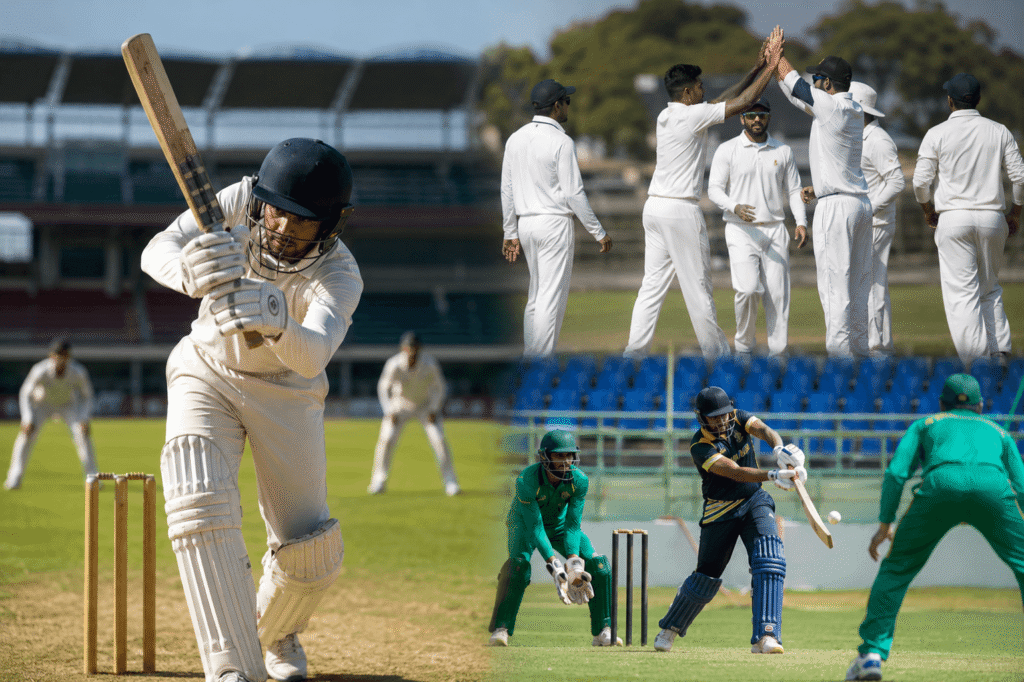
Domestic cricket forms the essential foundation upon which every nation’s international success is built, providing the structured competitive environment where players develop their skills, build match-winning temperaments, and ultimately earn selection for their national teams. While international and franchise T20 cricket tend to dominate global headlines, the quality and depth of a country’s domestic structure remains one of the strongest predictors of its long-term competitiveness on the world stage. This guide explores how domestic cricket systems function, why they matter, and what fans should understand about this often-overlooked foundation of the sport.
The Role of First-Class Cricket
First-class cricket, typically played over three or four days per match, remains the traditional proving ground for players aspiring to represent their country in Test cricket. Domestic first-class competitions demand patience, technical soundness, and mental resilience across long innings and lengthy bowling spells, qualities that translate directly to success at the international Test level. Selectors across major cricketing nations continue to monitor first-class averages and performances closely when assessing a player’s readiness for the international game, particularly in the traditional format.
List A and Domestic Limited-Overs Cricket
Alongside first-class competitions, most major cricketing nations run domestic List A tournaments, typically played in a fifty-over format, giving players a structured pathway to develop the specific skills needed for ODI cricket. These competitions often serve as a bridge between a player’s raw first-class ability and their readiness for the tactical and physical demands of international limited-overs cricket, with strong List A form frequently cited by selectors when making ODI squad decisions.
Domestic T20 Competitions
Domestic T20 tournaments have grown enormously in importance over the past two decades, both as standalone entertainment products and as crucial pathways to the sport’s biggest franchise leagues. Strong performances in domestic T20 cricket frequently catch the attention of scouts from major leagues like the IPL, Big Bash, and others, making these competitions genuinely important not just for national selection but for players’ broader professional careers and earning potential within the sport.
Why Domestic Structure Matters for International Success
Nations with deep, well-organized domestic structures generally produce more consistent streams of internationally ready talent, since players entering the national team have already been tested across a meaningful volume of high-quality competitive cricket. Conversely, countries with thinner or less competitive domestic structures often struggle with player depth, particularly when injuries or international retirements create sudden gaps that need filling without an established pipeline of ready replacements.
Frequently Asked Questions
Why is first-class cricket still considered important?
First-class cricket remains the primary proving ground for Test match readiness, testing patience, technique, and mental resilience over long matches.
How does domestic T20 cricket help players’ careers?
Strong domestic T20 performances often attract attention from major franchise leagues, opening pathways to lucrative playing opportunities beyond the national team.
What is List A cricket?
List A cricket refers to domestic limited-overs matches, typically played in a fifty-over format, serving as preparation for international ODI cricket.
Conclusion
Domestic cricket’s role as the essential development pipeline for international talent means its health and structure deserve far more attention than the relatively limited mainstream coverage it typically receives. Understanding how domestic competitions function provides valuable context for why certain players succeed at the international level while others, despite obvious talent, sometimes struggle to make the transition.
Selector Scouting and Player Pathways
National selectors across major cricketing nations maintain close relationships with domestic competition structures, often attending matches in person and tracking statistical performance trends across a full domestic season rather than relying solely on standout individual innings or spells. This thorough scouting approach helps ensure that players earning international selection have demonstrated consistent quality over an extended body of work, rather than a single memorable performance that might not reflect their broader readiness for the international game.
Challenges Facing Domestic Cricket Globally
Domestic cricket structures face genuine challenges in the modern era, particularly around player retention, as talented cricketers increasingly weigh the financial rewards of franchise T20 leagues against the traditionally lower-paying domestic circuit. Several cricket boards have responded by increasing domestic player contracts and match fees, recognizing that a well-compensated, competitive domestic structure remains essential to sustaining the talent pipeline that ultimately feeds their national teams across all formats.
How Fans Can Engage With Domestic Cricket
For dedicated fans looking to spot future international stars before they break through, following domestic cricket closely offers a genuine head start, often revealing emerging talent months or even years before a player earns national selection. While domestic matches typically receive less broadcast coverage than international or major franchise fixtures, statistical databases and domestic scorecards remain readily accessible for fans willing to dig a little deeper into a country’s broader cricketing structure beyond the headline international fixtures.
Ultimately, the health of a nation’s domestic cricket structure serves as one of the most reliable long-term indicators of future international success, even if it rarely receives the same attention as the international matches it ultimately feeds into. Fans who take the time to understand and follow this foundational layer of the sport often develop a richer, more informed appreciation for why certain national teams sustain success across generations while others experience more inconsistent periods tied directly to gaps in their domestic development pipeline.
Coaching quality at the domestic level also plays a significant role in player development, with well-resourced domestic programs able to provide players access to sports science, video analysis, and specialized coaching that can meaningfully accelerate a talented player’s readiness for international cricket compared to systems still relying on more traditional, less resource-intensive development methods.
As the sport continues to evolve, the nations that invest most effectively in their domestic structures, both financially and in coaching quality, are likely to maintain the deepest and most sustainable pipelines of international talent for years to come, regardless of short-term fluctuations in any single national team’s form.
That long-term investment, more than any single transfer window or auction cycle, is what truly separates consistently successful cricketing nations from those experiencing more unpredictable cycles of form at the international level.