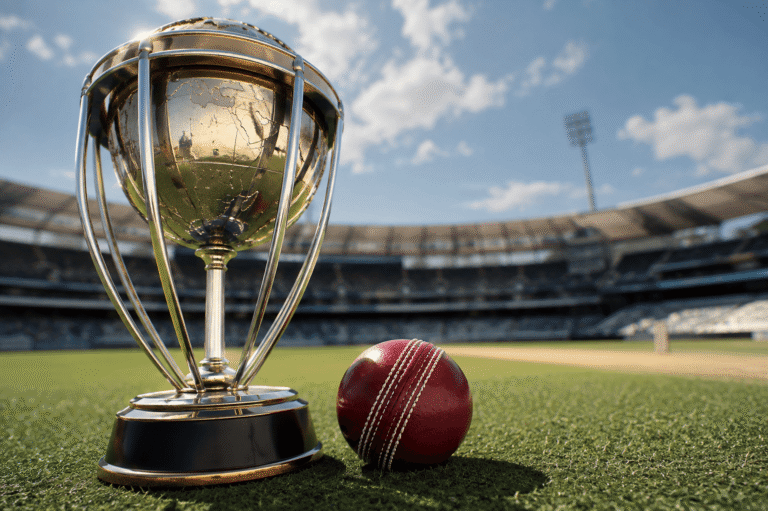
The Ranji Trophy stands as India’s premier domestic first-class cricket competition, serving as the essential proving ground for Indian cricketers aspiring to represent their country at the international level. Named after the legendary Ranjitsinhji, the tournament has run for decades, providing the structural backbone of Indian cricket’s talent development pipeline and remaining deeply respected within the cricketing community despite receiving considerably less mainstream attention than the glamorous IPL. This guide covers the tournament’s format, significance, and role in Indian cricket’s broader ecosystem.
Tournament Format and Structure
The Ranji Trophy features teams representing India’s various states and regions, competing in a multi-day first-class format that closely mirrors the demands of Test cricket. Given the sheer number of participating teams across India’s vast domestic structure, the tournament typically uses a group stage format followed by knockout rounds, ultimately crowning a national domestic champion after a lengthy and demanding season of competitive first-class cricket.
The Essential Pathway to Test Selection
For any player aspiring to represent India in Test cricket, sustained excellence in the Ranji Trophy remains the primary and most respected pathway to national selection, with selectors closely monitoring performances across the tournament’s long season. This close connection between domestic first-class performance and international selection has helped maintain the Ranji Trophy’s genuine competitive integrity, even as white-ball franchise cricket has grown to dominate broader public attention and commercial investment.
Regional Pride and Historical Significance
Given the tournament’s structure of state and regional representation, Ranji Trophy matches often carry significant regional pride, with dedicated local followings in cricket-strong states closely tracking their team’s progress throughout the long domestic season. This regional dimension has given the tournament deep historical roots within Indian cricket culture, with certain state teams building particularly storied traditions of success over decades of competition.
Balancing Tradition With Modern Cricket’s Demands
As franchise T20 cricket has grown to dominate player earning potential and public attention, the Ranji Trophy has faced genuine challenges in maintaining player commitment and broader visibility, with some players occasionally prioritizing franchise league opportunities over domestic first-class commitments. Despite these pressures, the tournament retains significant respect within Indian cricket, with many current and former national team players continuing to emphasize its importance to their own development.
Frequently Asked Questions
What is the Ranji Trophy?
The Ranji Trophy is India’s premier domestic first-class cricket competition, featuring teams representing the country’s states and regions.
Why is the Ranji Trophy considered important for Indian cricket?
Sustained excellence in the tournament remains the primary pathway to Test match selection for aspiring Indian cricketers.
What format does the Ranji Trophy use?
The tournament uses a multi-day first-class format, typically structured with group stages followed by knockout rounds.
Conclusion
The Ranji Trophy’s role as the essential development pathway for Indian Test cricketers gives it significance well beyond its relatively modest mainstream visibility compared to franchise T20 cricket. Its continued health remains genuinely important to the long-term strength of Indian cricket’s international Test match performances.
Producing India’s Test Match Greats
Throughout its long history, the Ranji Trophy has served as the launching pad for numerous players who went on to become celebrated figures in Indian Test cricket, with many current and former national team stars crediting their domestic first-class experience as fundamental to their technical and mental development as batters and bowlers. This track record of producing genuine Test match quality continues to reinforce the tournament’s significance despite its comparatively limited broadcast visibility.
Coaching and Selector Attention
National selectors and India’s coaching staff maintain close attention to Ranji Trophy performances throughout the season, often traveling to matches in person to assess players in a genuinely competitive first-class environment rather than relying solely on statistics or franchise T20 form. This hands-on scouting approach reflects the deep institutional respect the tournament continues to command within India’s cricketing administration.
For dedicated fans of Indian cricket looking to identify future Test stars before they break through at the international level, following Ranji Trophy performances closely offers a genuine head start, often revealing emerging talent well before wider recognition through franchise league auctions or national team call-ups.
The tournament’s demanding multi-day format continues to test technical soundness, patience, and mental resilience in ways that shorter formats simply cannot replicate, giving Ranji Trophy performances a particular weight when selectors are specifically assessing a player’s readiness for the unique pressures of Test match cricket at the international level.
Several Indian states have built particularly strong Ranji Trophy traditions over the decades, developing well-resourced cricketing infrastructure and youth pipelines that consistently produce competitive squads year after year, reflecting genuine institutional investment in the tournament rather than treating it as a secondary priority behind more commercially lucrative franchise cricket.
For a country with cricket’s largest fanbase, maintaining a genuinely healthy, competitive domestic first-class structure carries significance well beyond India’s own borders, since the depth of talent it continues to produce directly shapes the broader competitiveness of Test cricket at the international level for years to come.
Check domestic scorecards throughout the season, and the tournament’s genuine competitive depth becomes clear well beyond the handful of matches that occasionally receive mainstream coverage.
The Ranji Trophy remains the quiet backbone of Indian cricket, respected far more within the sport than its limited public visibility might suggest.
That quiet respect is exactly what a proper development structure should command.
India’s Test match future is being built right now, on grounds far from the television cameras.
That work deserves genuine appreciation.
Follow it closely, and the payoff arrives soon enough at the Test level.
That payoff is what makes patient fandom worth it.
India’s cricketing depth starts here.
Give it your attention.
It has earned it, decade after decade.
India’s next great Test batter is likely grinding out a century somewhere right now.
Keep an eye out.
You might spot them before anyone else does.
That is the reward for following the Ranji Trophy closely.
Give it a try.
The scorecards are always there for anyone willing to look.
Start looking.
The next star is waiting to be discovered.