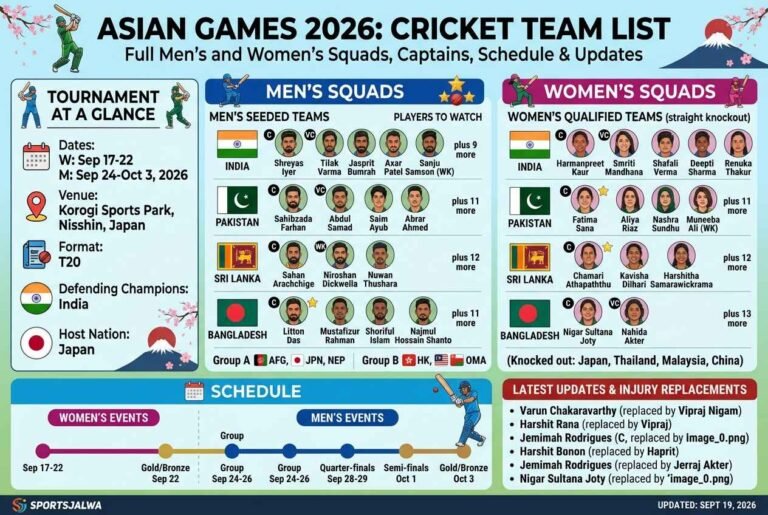
The Asia Cup is one of the oldest and most prestigious continental cricket tournaments, bringing together the top cricketing nations of Asia in a battle for regional supremacy. Since its inception in 1984, the tournament has produced some of the most fiercely contested matches in the sport, largely driven by the intense rivalry between India and Pakistan, alongside strong campaigns from Sri Lanka, Bangladesh, and Afghanistan. This guide explains how the Asia Cup is structured, why it carries so much weight for participating nations, and what fans should track through each edition.
History and Format Evolution
The Asia Cup has alternated between ODI and T20I formats over the years, generally following the format of whichever ICC global event is next on the calendar, so teams can use the tournament as preparation. This flexibility has kept the Asia Cup relevant even as the global cricket calendar has become increasingly crowded, since it doubles as both a standalone title and a tune-up tournament for World Cups.
Participating Teams and Qualification
The tournament typically features six teams: the five Full Member nations from the region, India, Pakistan, Sri Lanka, Bangladesh, and Afghanistan, alongside a qualifier spot contested by Associate nations such as Nepal, UAE, Hong Kong, or Oman. This qualifier spot has become an important pathway for Associate teams to gain exposure against top-tier opposition, and a strong Asia Cup qualifying campaign has occasionally been a springboard for a nation’s broader growth in the sport.
Why the India-Pakistan Rivalry Defines the Tournament
No storyline dominates the Asia Cup quite like an India-Pakistan fixture. Given that bilateral cricket between the two nations has been suspended for political reasons for well over a decade, multilateral tournaments like the Asia Cup and ICC events are now the only occasions when the two sides meet on the field. This scarcity turns every India-Pakistan Asia Cup match into a global cricketing event, drawing viewership figures that rival or exceed even World Cup finals.
Tournament Structure and Playoffs
Modern editions of the Asia Cup are usually organized into a group stage followed by a Super Four or Super Six stage, where the strongest teams from each group carry forward points earned against fellow qualifiers before the final. This layered structure means that early group-stage results can carry weight all the way into the business end of the tournament, making even seemingly low-stakes early matches worth following closely.
How to Follow the Asia Cup
Fans following the tournament should track the group standings, net run rate where applicable, and team news closely, since squad rotation and injury management often shape outcomes more than raw team strength on paper. Given the compressed nature of continental tournaments, momentum built in the group stage frequently carries directly into the knockout rounds.
Frequently Asked Questions
How often is the Asia Cup held?
The Asia Cup is generally held every two years, though scheduling has occasionally shifted depending on the global cricket calendar.
Which teams have won the most Asia Cup titles?
India has historically been the most successful nation in the tournament’s history, with Sri Lanka and Pakistan also having multiple title wins.
Does the Asia Cup alternate between ODI and T20I formats?
Yes, the format typically aligns with whichever format the next major ICC tournament will be played in, so teams can use the Asia Cup as preparation.
Conclusion
The Asia Cup remains one of the most-watched tournaments in world cricket, combining genuine sporting stakes with rivalries that carry political and cultural weight far beyond the boundary ropes. Following the group stage, qualifier storylines, and the marquee India-Pakistan fixture is the best way to stay on top of each edition.
Impact on Associate Nations
Beyond the headline fixtures involving the sport’s biggest teams, the Asia Cup qualifier pathway has become an important developmental tool for Associate nations in the region. A deep run by a qualifying side not only raises that nation’s profile but often results in increased board funding and player contracts back home, showing how continental tournaments can have ripple effects well beyond the trophy itself.
Broadcast Reach and Commercial Value
The Asia Cup consistently ranks among the highest-viewed cricket tournaments globally, a reflection of both the size of the cricket-following population across South Asia and the marquee India-Pakistan clashes that anchor the event commercially. Broadcasters and sponsors treat the tournament as a near-guaranteed ratings driver, which in turn funds prize money and infrastructure improvements across the participating boards.
Key Individual Performances That Shape the Tournament
Because the Asia Cup compresses so much high-stakes cricket into a short window, individual form can swing dramatically from one match to the next. Top-order batters chasing the tournament’s leading run-scorer title and strike bowlers competing for the most wickets often become storylines of their own, adding a layer of individual competition on top of the team battle for the trophy. Fans tracking the tournament closely tend to follow these leaderboards alongside the group standings, since a standout individual campaign frequently coincides with a team’s deep tournament run.
For fans new to the tournament, the simplest entry point is to follow the group stage table and then focus on the Super Four or Super Six phase, where results carry double weight toward the final. Understanding the tiebreaker rules, typically net run rate, also helps make sense of why teams sometimes chase totals more aggressively than the match situation alone would suggest.
Ultimately, whether a fan follows the Asia Cup for the cricket, the rivalry, or the regional pride at stake, the tournament remains one of the clearest windows into the current pecking order of Asian cricket heading into the next global ICC event.
That blend of sporting quality and cultural significance is exactly why the Asia Cup continues to punch above its weight on the global cricket calendar, year after year.
Keep an eye on toss decisions too, since dew and pitch behavior in the evening sessions of day-night fixtures have repeatedly influenced captains to bowl first at several recent venues, a small tactical detail that often decides tight group-stage contests.